By Atwine Devine.
Kampala.
The Ministry of Works and Transport has proposed an electronic clocking-in system for drivers of public service vehicles as part of new measures to curb road carnage, monitor driver fatigue and strengthen accountability in the transport sector.
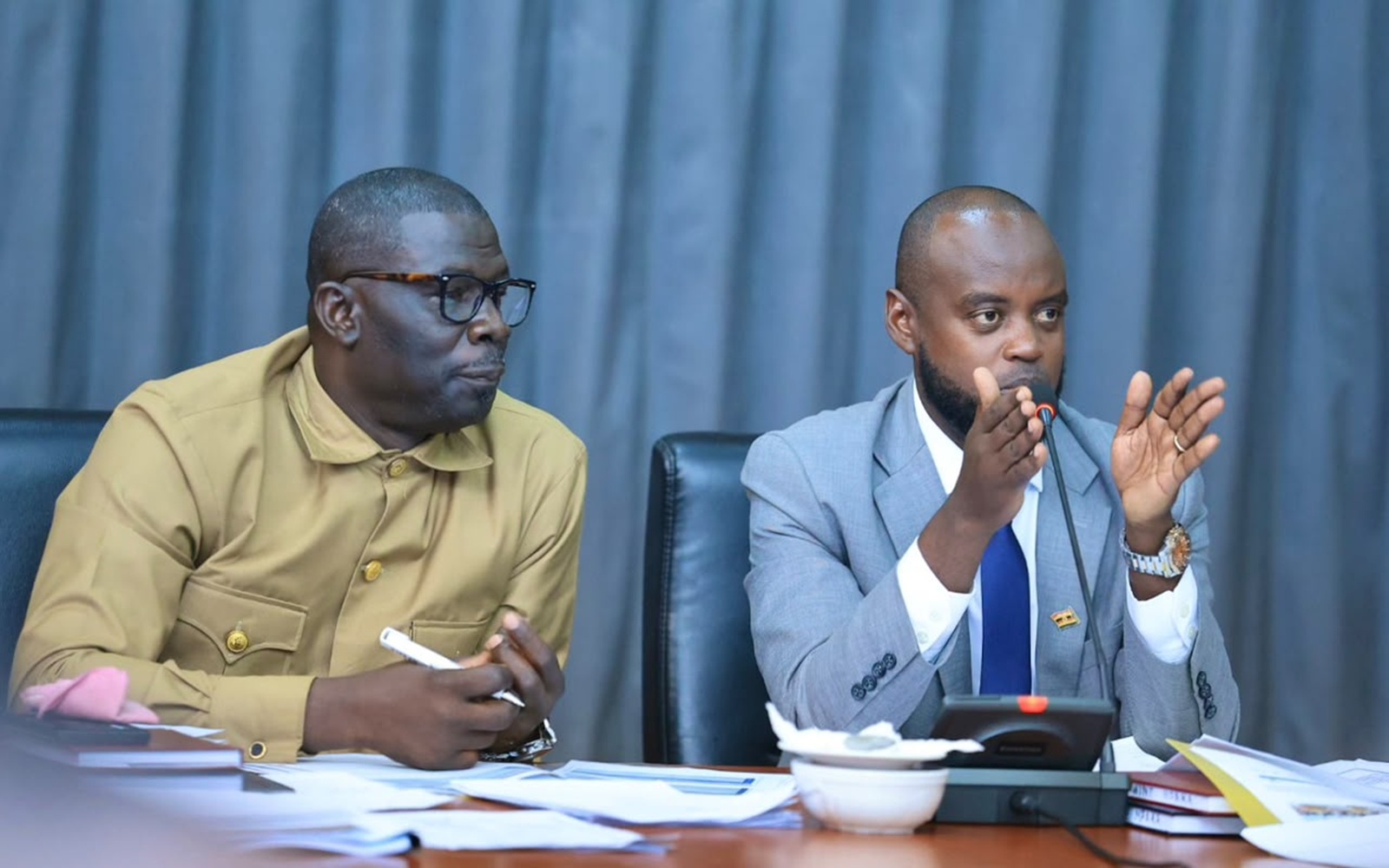
The proposal was made during a meeting of the Committee on Physical Infrastructure chaired by Hon. Mwine Mpaka, where ministry officials presented findings from the recent road accidents and outlined reforms in road safety and infrastructure management. The meeting was held on Monday, 20 July 2026.
The Commissioner for Transport Regulation and Safety, Winston Katushabe said investigations into the crashes in July revealed widespread non-compliance with transport regulations including unlicensed buses, unaccredited drivers, mechanical defects and poor enforcement.
Several accidents were recorded in July with 33 people killed in a bus accident in in Omoro District, 24 pupils of King David Junior School died when the bus crashed in Kapchorwa and a bus collided with a train in Mukono with one person killed.
a
These accidents were attributed to reckless driving, poor judgement by the drivers, speeding, the narrow nature of the roads and drivers operating without licences.
Katushabe said the ministry is reviewing its five-year National Road Safety Action Plan and plans to introduce stricter regulations, including standardisation of school buses, improved medical examination for drivers and upgrading the automated driver testing equipment.
He said the proposed clocking-in system will require drivers of public service vehicles to record their journeys at designated points enabling authorities to monitor driving hours, rest periods and speeding.
“Other than the medical tests, we want to look at fatigue as one of the challenges. So it will tell us the driver, how many hours you have rested within 24 hours,” Katushabe said.
The ministry also intends to strengthen digital verification systems to detect unlicensed vehicles and unauthorised drivers, while road safety audits will continue to identify dangerous sections requiring improvements in signage, markings and design.
Bukanga North County MP, Hon. Nathan Byanyima admitted that transport owners must accept responsibility for some of the failures.
“We used to have regular meetings but we no longer have them,” Byanyima said urging the ministry to engage bus operators.
Hon. Samuel Opio Acuti (NRM, Kole North County) questioned how unlicensed buses travel long distances without detection and whether drivers undergo adequate medical examinations like vision and colour-blindness tests.
Katushabe said accident reports must reflect findings established by investigators.
“This does not necessarily mean that all roads in Uganda are narrow. We want to bring facts as they are. It would be dangerous to say the road was okay when investigations established otherwise,” he said.
Meanwhile, the Minister for Works and Transport, Hon. Fred Byamukama said they will introduce reforms to improve accountability in road construction projects, citing corruption, poor contract management and failure to acquire land before construction as major causes of delays and increased costs.
He said government had inherited projects where contracts were signed before critical requirements including designs and right-of-way acquisition, were completed.
He cited the Busega-Mpigi Expressway whose cost increased from Shs547 billion to over Shs1.3 trillion and will climb to Shs2 trillion due to changes in alignment
To prevent similar challenges, Byamukama said no road contract will be signed unless at least 50 per cent of the required land has been acquired.
The minister also criticised irregular payment practices where contractors who completed work earlier were sometimes left unpaid while newer certificates were processed