By. Atwine Evas
Mbarara
The legitimacy of one of Parliament’s newest members is under judicial scrutiny after a High Court petition challenged the Isingiro West parliamentary election, alleging widespread irregularities that could reignite calls for comprehensive electoral reforms.
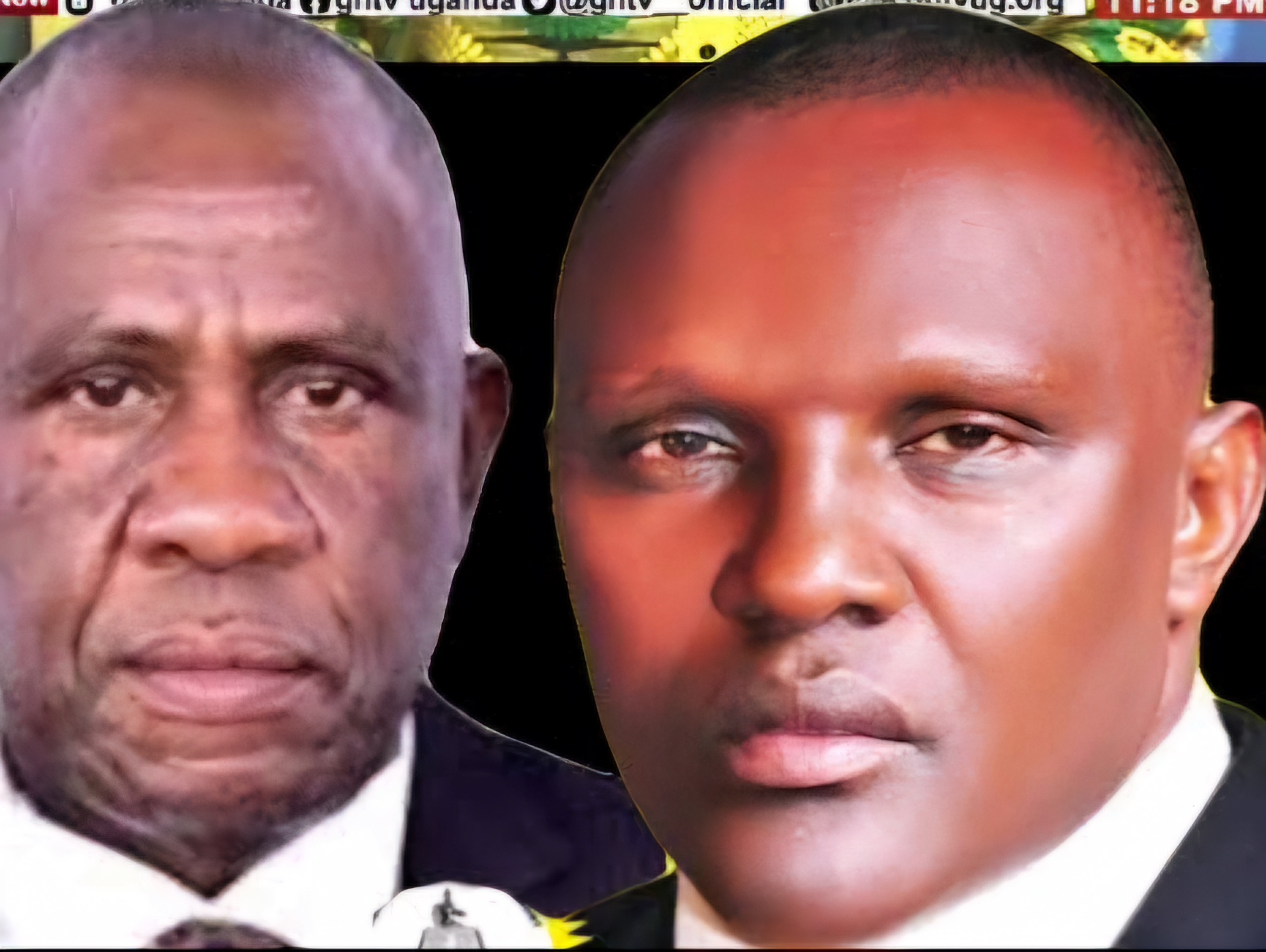
In an additional affidavit filed in support of the petition, Hon. Arinaitwe Rauben asks the High Court to “nullify the election of Isingiro West Member of Parliament Tumwesigye Anthony”, arguing that the Electoral Commission “failed to conduct the election in accordance with constitutional principles and the Parliamentary Elections Act.”
The petition filed dated 15th April, which is yet to be determined by the court, contains a series of allegations relating to the deployment of polling officials, vote tallying, declaration forms and polling day procedures. Neither the Electoral Commission nor the declared winner had publicly responded to the specific allegations contained in the additional affidavit by the time of filing, and the claims remain untested before court.
At the heart of the petition are allegations that individuals who had neither been shortlisted nor formally appointed by the Electoral Commission were deployed as presiding officers at several polling stations. The petitioner further claims that “some officials were reassigned to polling stations other than those to which they had officially been posted, while others allegedly supervised voting centres without lawful appointment.”
According to the affidavit, these deployment anomalies undermined transparency and cast doubt on the integrity of the electoral process.
The petitioner also alleges “discrepancies in statutory declaration forms and election return documents used during vote tallying.” He claims “some declaration forms contained inconsistencies, while others were allegedly altered or backdated,” raising questions about the authenticity of results transmitted from polling stations.
Beyond administrative concerns, the affidavit accuses election officials and other unidentified persons “of engaging in ballot stuffing, multiple voting and manipulation of vote tallies.” It further alleges that some polling stations closed before the legally prescribed time, potentially disenfranchising eligible voters, while acts of intimidation allegedly targeted voters and election agents during polling and counting.
These allegations are expected to form part of the evidence the High Court will consider in determining whether the election substantially complied with Uganda’s electoral laws and whether any proven irregularities materially affected the final result.
The petition is grounded in several constitutional provisions governing democratic elections. Article 1 of the Constitution provides that all power belongs to the people and shall be exercised through regular, free and fair elections. Article 59 guarantees every qualified citizen the right to vote, while Article 61 mandates the Electoral Commission to organise and conduct elections in accordance with the Constitution and other laws.
The Parliamentary Elections Act provides the legal framework for the conduct of parliamentary elections and empowers the High Court to nullify an election where it is satisfied that non-compliance with electoral laws substantially affected the outcome.
Ugandan jurisprudence has consistently held that the burden rests with the petitioner to prove not only that irregularities occurred but also that they had a material effect on the election result.
The dispute extends beyond the fate of a single parliamentary seat. It touches on Parliament’s representative mandate and the credibility of the institutions responsible for safeguarding democratic governance.
Under Article 79 of the Constitution, Parliament is vested with legislative authority on behalf of the people, making the integrity of parliamentary elections central to public confidence in the institution. Allegations that challenge the conduct of such elections inevitably raise broader questions about electoral administration, accountability and citizens’ trust in democratic processes.
The petition also comes amid renewed national debate over electoral reforms. Over successive electoral cycles, lawmakers, election observer missions and civil society organisations have recommended measures aimed at strengthening the independence of the Electoral Commission, improving transparency in vote tallying, enhancing accountability of polling officials and increasing public confidence in election outcomes.
Several parliamentary committees have previously considered proposals for electoral reforms, while opposition legislators have repeatedly argued for legal amendments to improve election management and dispute resolution mechanisms.
Should the High Court find merit in the petition, its decision could have implications extending beyond Isingiro West by contributing to the evolving body of election law that shapes how future parliamentary elections are administered. Conversely, if the court dismisses the petition, the judgment could reinforce existing legal standards governing the evidential burden required to overturn election results.
As the proceedings move forward, the High Court’s determination will not only decide the fate of the Isingiro West parliamentary seat but also provide another important test of Uganda’s legal framework for resolving electoral disputes through constitutional and judicial processes rather than political contestation.